White Mold Mitigation in Dallas, TX
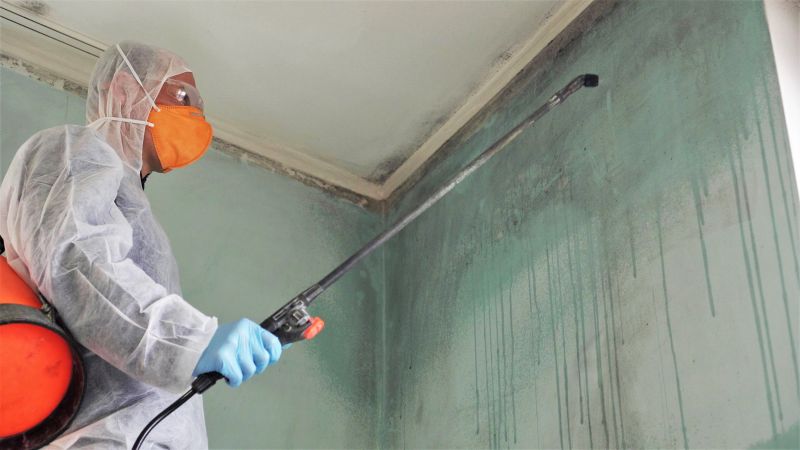
White mold mitigation services focus on identifying and removing mold growth that appears as a white or light-colored fuzzy or slimy substance on indoor surfaces. These services typically cover projects involving mold growth on walls, ceilings, insulation, or other areas affected by excess moisture. Homeowners often seek this service after noticing signs of mold, such as a musty odor or visible patches, especially in areas prone to humidity or water intrusion like bathrooms, basements, or around leaks. Understanding the extent of mold growth and the source of moisture is essential before requesting mitigation, as addressing underlying issues is critical to prevent future recurrence.
Proper mitigation involves safely removing mold colonies and cleaning affected surfaces to reduce health risks and property damage. Property owners should inquire about the scope of removal, the methods used to contain mold spores, and recommendations for preventing future growth. It is also helpful to understand whether the service includes moisture source identification and repairs, as controlling humidity and fixing leaks are vital steps in maintaining a mold-free environment. Clear communication about the process and expectations can help ensure the project addresses current mold issues effectively while supporting ongoing property health.
Many property owners in Dallas, TX look into White Mold Mitigation for repairs, replacements, upgrades, and appearance-related improvements.
Understanding White Mold
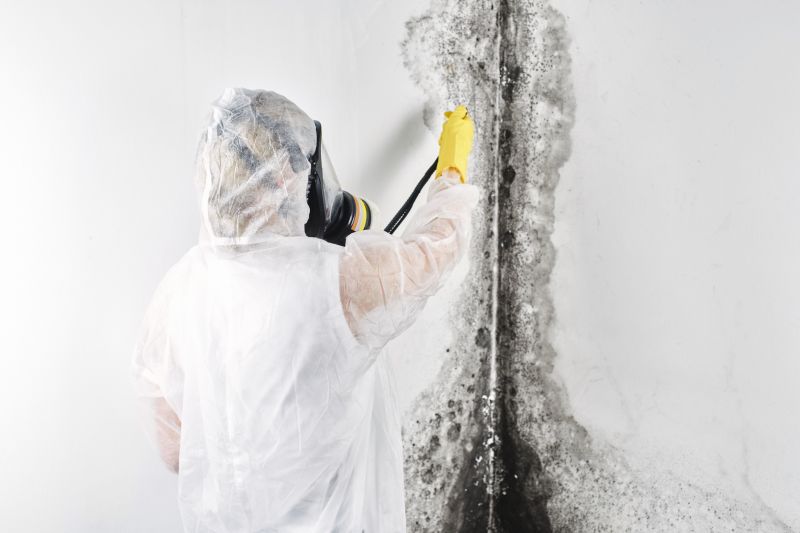
White mold can develop in damp areas like basements and bathrooms in dallas homes.
Signs Of Mold Growth
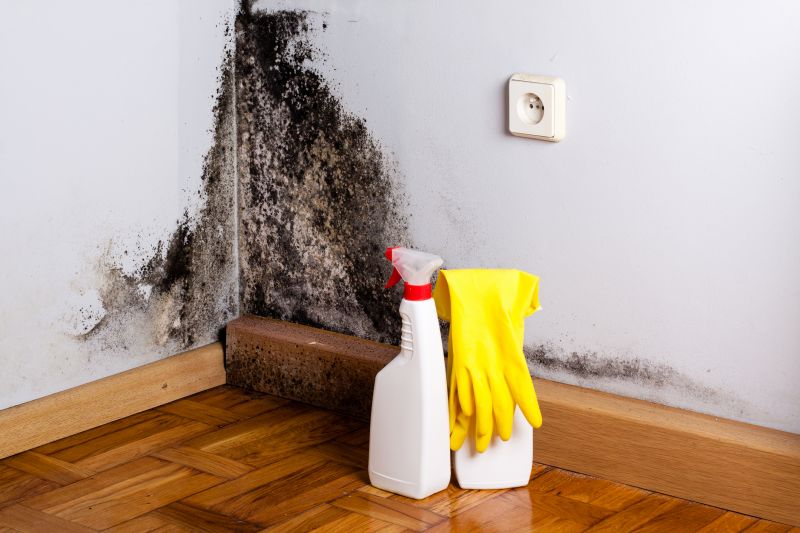
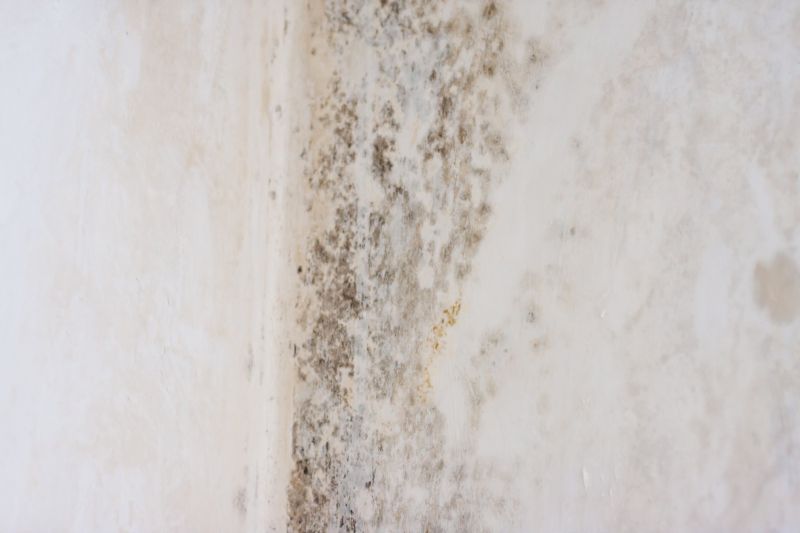
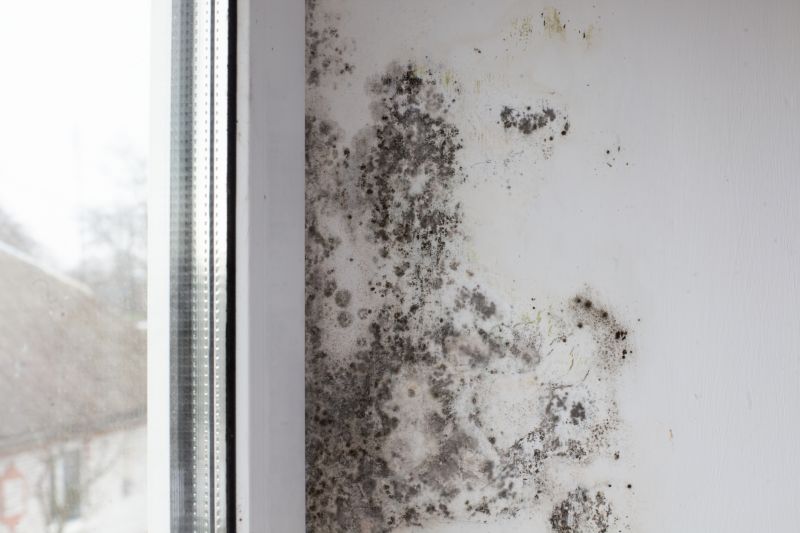
Visible patches, musty odors, and increased humidity are common indicators of mold presence.
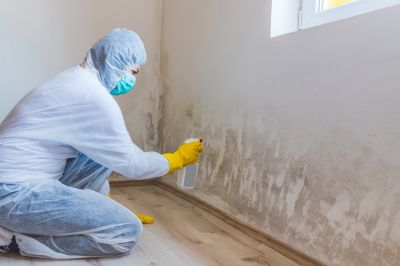
Preventing Future Mold Issues
Controlling moisture and improving ventilation help reduce the risk of white mold growth indoors.
White Mold Mitigation in Dallas, TX
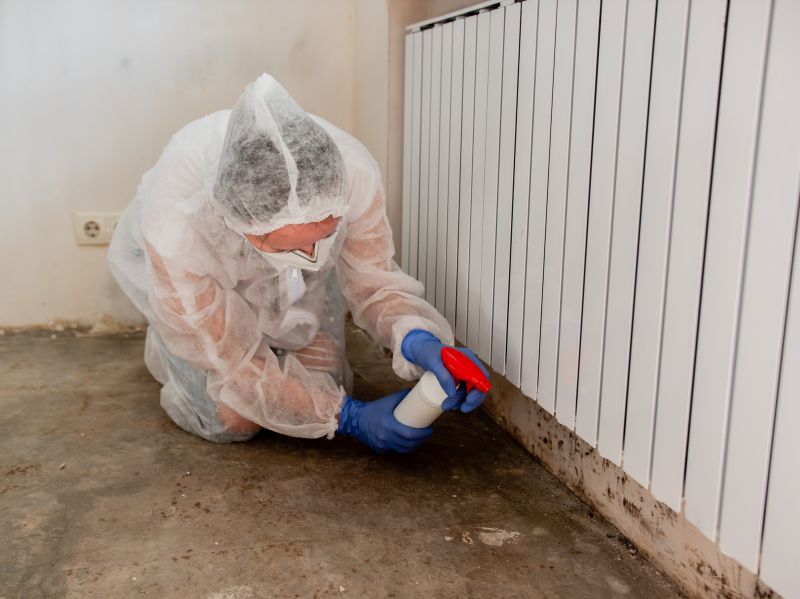
White mold mitigation services focus on identifying and removing mold growth that appears as a white or light-colored fuzzy or slimy substance on indoor surfaces. These services typically cover projects involving mold growth on walls, ceilings, insulation, or other areas affected by excess moisture. Homeowners often seek this service after noticing signs of mold, such as a musty odor or visible patches, especially in areas prone to humidity or water intrusion like bathrooms, basements, or around leaks. Understanding the extent of mold growth and the source of moisture is essential before requesting mitigation, as addressing underlying issues is critical to prevent future recurrence.
Proper mitigation involves safely removing mold colonies and cleaning affected surfaces to reduce health risks and property damage. Property owners should inquire about the scope of removal, the methods used to contain mold spores, and recommendations for preventing future growth. It is also helpful to understand whether the service includes moisture source identification and repairs, as controlling humidity and fixing leaks are vital steps in maintaining a mold-free environment. Clear communication about the process and expectations can help ensure the project addresses current mold issues effectively while supporting ongoing property health.
Many property owners in Dallas, TX look into White Mold Mitigation for repairs, replacements, upgrades, and appearance-related improvements.
Common White Mold Mitigation Jobs
White Mold Remediation - removal of mold growth from interior surfaces to improve air quality.
Attic and Basement Mold Cleanup - addressing mold issues in hidden or hard-to-reach areas.
Moisture Source Identification - locating and fixing leaks or humidity problems fueling mold growth.
Surface Cleaning and Disinfection - thorough cleaning of affected areas to prevent mold recurrence.
Structural Inspection - assessing building materials for mold damage and necessary repairs.
Preventative Treatments - applying solutions to inhibit future mold growth and protect property.
White Mold Mitigation Questions
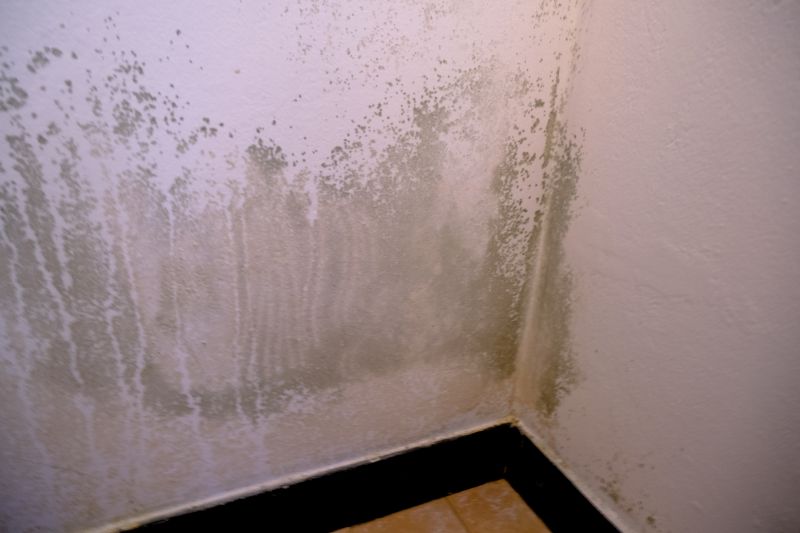
What is white mold? White mold is a type of mold that appears as a white or light-colored growth on surfaces, often indicating excess moisture or humidity issues.
Why should property owners address white mold? Removing white mold helps prevent potential health problems and protects the integrity of building materials.
How is white mold typically removed? Mitigation involves cleaning affected areas, removing contaminated materials, and addressing moisture sources to prevent regrowth.
Can white mold be prevented? Maintaining proper ventilation, controlling humidity levels, and promptly repairing leaks can help reduce the risk of white mold development.
Request White Mold Mitigation in Dallas, TX
Use the quote form on this page to share the basics of your project and request more information for the type of work you need.